Operational applications
Manage requests, jobs, orders and approvals with clear ownership and a visible next action.

Custom software development creates an application for the way your organisation actually works. Instead of adapting every process to a packaged product, we build the agreed records, screens, permissions and workflows around the tasks your staff or customers need to complete.

For teams relying on repeated spreadsheet work, disconnected tools or manual hand-offs that an existing product cannot reasonably handle.
Manage requests, jobs, orders and approvals with clear ownership and a visible next action.
Give authorised users access to the records and actions relevant to them.
Exchange approved information with existing accounting, CRM, stock or other supported systems.
Use agreed data definitions, role permissions, audit events and exception queues to keep work understandable.
A distributor could turn an emailed order request into a reviewed order with customer-specific pricing, stock checks and an approval trail before it reaches fulfilment.
This describes a possible scope, not a claimed client result.An agreed first-release scope, interface designs, working application, relevant integrations, documented tests and deployment handover. Hosting, source access, maintenance and third-party charges are set out in the proposal.
Compare a packaged product, configuration and a focused integration first. Bespoke software is most useful when the important workflow genuinely requires a different approach.
For a Saudi team, define the required languages, authorised users, business entities and systems for the first workflow. Keep operational scope separate from any sector or finance obligations that require qualified review and current official guidance.
Optimal Designz is operated by Optimal Design Solutions SMC-PVT Ltd., registered in Pakistan. Delivery arrangements, supported languages, system compatibility and ongoing support are confirmed in the written scope; this country edition does not imply a local office.
Have a similar task in mind? Share your current tools, the people involved and one complete example.
Discuss this requirementSee the capabilities, workflows and delivery choices behind the service. Start with the work you need to complete.
Begin with the people, processes and systems involved. These details help define what the work needs to support.

Follow an accepted order from sales to operations and finance. Record who approves changes, which application owns the record and where the team currently re-enters information.
A Riyadh sales team and Dammam warehouse may need shared order status with different permissions. Agree entities, SAR amounts, language fields and operational responsibilities before designing the application.

Custom development is useful when important rules or journeys cannot be supported adequately by an existing product. It is not automatically the best answer to every operational issue.
A configuration change, a focused integration or a smaller application alongside your current tools may be a better first step. We assess those options against your users, access to existing systems, data requirements and ongoing operating responsibilities. Where a tailored build fits, the proposal should explain which problem it resolves and what remains outside the first release.

A Riyadh sales team and Dammam warehouse may need shared order status with different permissions. Agree entities, SAR amounts, language fields and operational responsibilities before designing the application.
Agree representative acceptance tasks with the people using the system. Include amended records, access restrictions and failed connections, then document ownership and recovery before release.
Explore the design, functionality and connections that can make the service fit its day-to-day use.
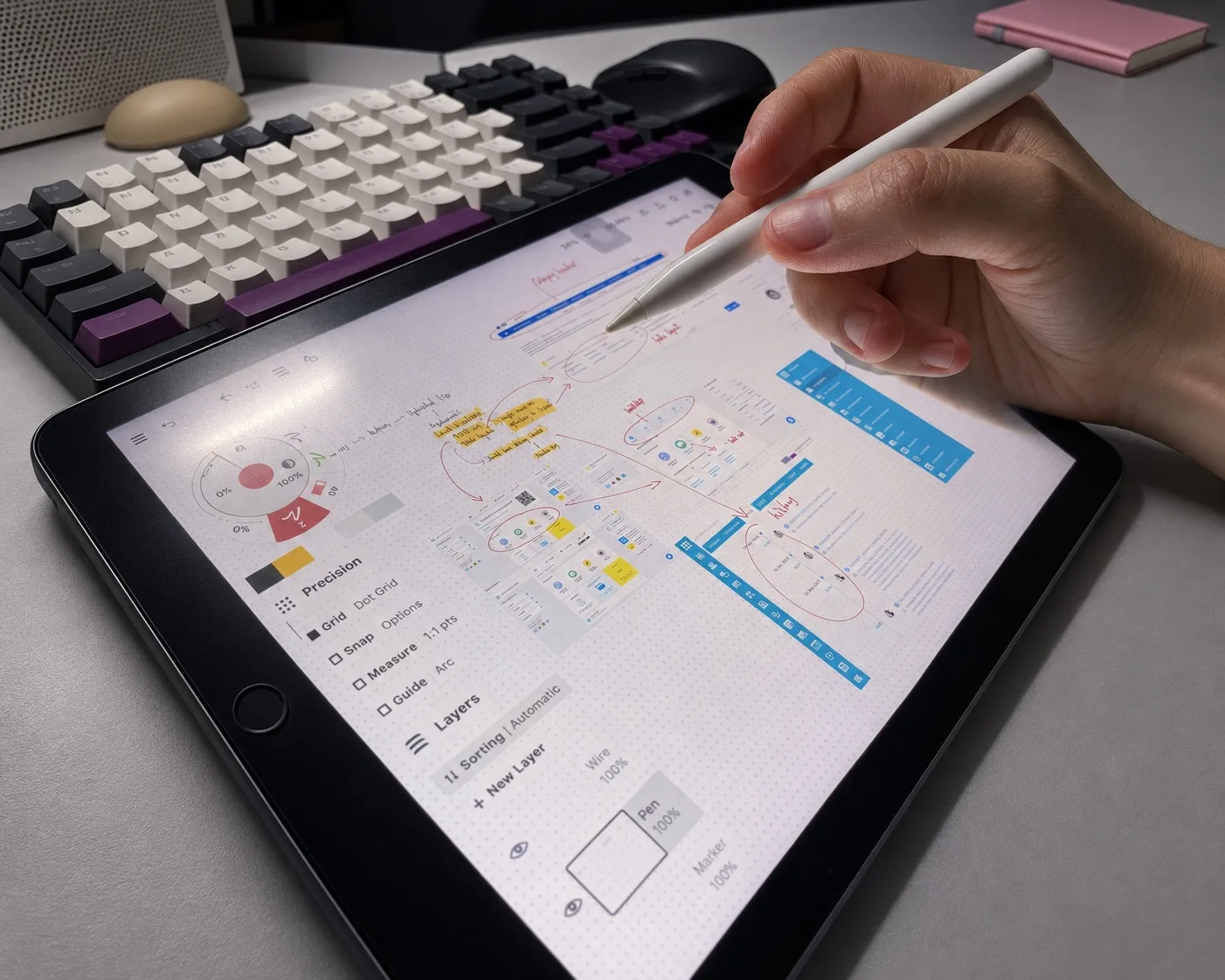
Connected software needs an agreed source of truth. If an order is changed, which system owns that change? If a connection is interrupted, what should be retried and who should be alerted? If information is imported, how will duplicates and missing records be handled?.
We include these decisions in the scope rather than assuming that connecting two products is only a matter of transferring fields. Integration depends on the available APIs, permissions, provider terms and test environments. Data migration also needs a clear ownership and checking process before live information is moved.

A useful first release should allow your team to complete a defined set of tasks. It does not need to contain every future module. We agree the boundaries, the journeys to demonstrate and the criteria for accepting the work.
Development and review are organised around those tasks. Feedback should be connected to agreed requirements, with changes assessed for their effect on scope and delivery. This gives you a clearer basis for deciding what is ready and what should follow later.

Testing should include the normal journey and the conditions that are easier to overlook: an incomplete record, an unauthorised action, a repeated submission or a connection that stops responding. The important checks follow the risk and requirements of the application.
Your team also needs an opportunity to review the agreed acceptance tasks using appropriate sample or test data. Release planning should address access, configuration, backup and recovery responsibilities, migration and the support route for issues found after launch.
Consider testing, handover and the next steps as part of a clear delivery plan.

Source code, intellectual property, third-party licences, hosting accounts and data access should be addressed in the contract and handover plan. A project should not leave those questions until someone needs to make a change.
We also define what documentation and access are part of the delivery and how any continuing maintenance or support will be arranged. Operating costs and future improvements should be considered alongside the initial development quote.

Sometimes the project starts with a public website and grows into a customer account, an order journey or a team workflow. It helps to make that boundary explicit so the content site and the operational application can be planned together.
CoffeeLab's project includes a website and a separate B2B solution, giving visitors and business customers distinct destinations. Explore the existing profile to see the public product categories and account navigation.

Tell us who uses it, where the work slows down and which systems it depends on. A useful starting point is the smallest change that would make a meaningful difference to the team or customer using it.
Explore the supporting detail after reviewing the capabilities and project choices.
Replace difficult hand-offs with a focused application designed around your Saudi business. Compare a custom build, configuration and integration before deciding what needs to change.
Follow an accepted order from sales to operations and finance. Record who approves changes, which application owns the record and where the team currently re-enters information.
Practical answers to help you compare options and prepare for a useful project conversation.
For teams relying on repeated spreadsheet work, disconnected tools or manual hand-offs that an existing product cannot reasonably handle.
Custom software development creates an application for the way your organisation actually works. Instead of adapting every process to a packaged product, we build the agreed records, screens, permissions and workflows around the tasks your staff or customers need to complete.
Compare how each supplier defines requirements, demonstrates the work, tests integrations and handles release and handover. Ask who is responsible for content, data, third-party accounts and acceptance decisions. Location, communication and contractual responsibilities should be clear rather than inferred from a website heading.
The main cost factors are user roles, complete workflows, system interfaces, migration and acceptance testing. Compare a focused first release with a wider build, and separate development from hosting, provider licences, usage and support. Share one representative task and your current systems so the estimate can state deliverables, assumptions and exclusions.
We can assess the available access and integration options. A connection depends on the products involved, their APIs and permissions, and what needs to happen when data is incomplete or a service is unavailable. Compatibility should be confirmed for the selected systems before it becomes a commitment.
Ownership, licensing, account access and handover deliverables should be agreed in the contract. Tell us about internal technical teams or future support arrangements so the required access and documentation can be defined before development.
That can be assessed in the scope. Branch rules, shared and separate records, user permissions and consolidated reporting need clear definitions. Include the locations and teams involved when describing the project.
State which roles and journeys need each language. Translation, right-to-left layouts, content management, search behaviour and testing need to be considered as a defined requirement. The final supported scope is agreed before delivery commitments are made.
Optimal Designz is operated by Optimal Design Solutions SMC-PVT Ltd., registered in Pakistan. We work with Saudi businesses through remote collaboration and agreed project arrangements. The delivery model, communication and handover responsibilities are set out for the engagement.
Follow an accepted order from sales to operations and finance. Record who approves changes, which application owns the record and where the team currently re-enters information. Share the systems involved, sample records and the people authorised to review the work.
A Riyadh sales team and Dammam warehouse may need shared order status with different permissions. Agree entities, SAR amounts, language fields and operational responsibilities before designing the application. Scope, translation, access, delivery and support responsibilities are agreed before development.
Share your Saudi business workflow, the systems you use today and the outcome you want to explore. We’ll agree the scope, dependencies and useful next step.
May we use Google Analytics to understand website visits and completed enquiries? It’s optional, and you can change your choice at any time.
Cookie information