
Explain your offer
Organise services, products, navigation and calls to action so a visitor can find the information needed to enquire.
Website design and development turns your business information and customer journeys into a working website. We design the pages, build responsive layouts and implement the agreed editing tools, forms and system connections so visitors can understand your offer and take the next step.
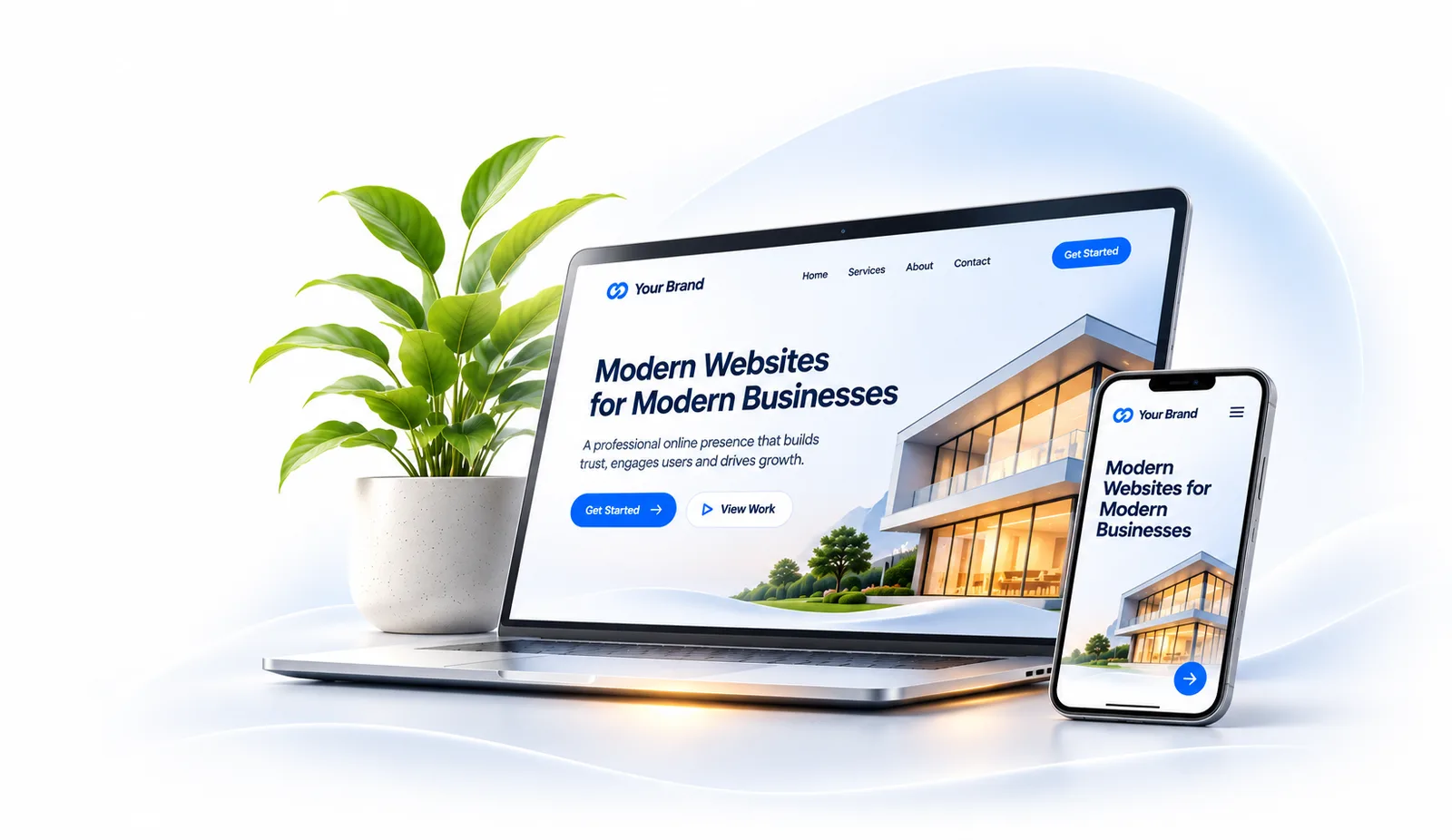
For businesses whose website is unclear, difficult to use on mobile, hard to update or unable to support the enquiries and transactions they need.
Organise services, products, navigation and calls to action so a visitor can find the information needed to enquire.
Add an agreed CMS so authorised staff can update pages, images and articles without changing application code.
Build forms, booking journeys, search or account features where included in the scope.
Implement meaningful headings, metadata, internal links, responsive images and redirects for changed URLs.
A professional services business could replace a confusing list of services with focused service pages, a useful enquiry form and an editing workflow for its team.
This describes a possible scope, not a claimed client result.An agreed sitemap, page designs, responsive website, configured editing and forms, acceptance checks and launch handover. Content writing, photography, hosting and ongoing support are specified separately.
A well-configured website platform may be sufficient for a straightforward brochure site. Custom functionality becomes useful when the customer journey or connected systems exceed the platform’s practical limits.
For a UK website, test a complete enquiry or purchase on mobile as well as desktop, including the confirmation and the staff response route. Preserve useful existing URLs and content during a redesign rather than treating launch as a fresh start for search visibility.
Optimal Designz is operated by Optimal Design Solutions SMC-PVT Ltd., registered in Pakistan. Delivery arrangements, supported languages, system compatibility and ongoing support are confirmed in the written scope; this country edition does not imply a local office.
Have a similar task in mind? Share your current tools, the people involved and one complete example.
Discuss this requirementExplore the parts of a website project, from choosing the right goals to planning content, functionality, quality checks and launch.
A useful website begins with clear priorities. We shape the structure around the people who need to use it and the actions they need to take.
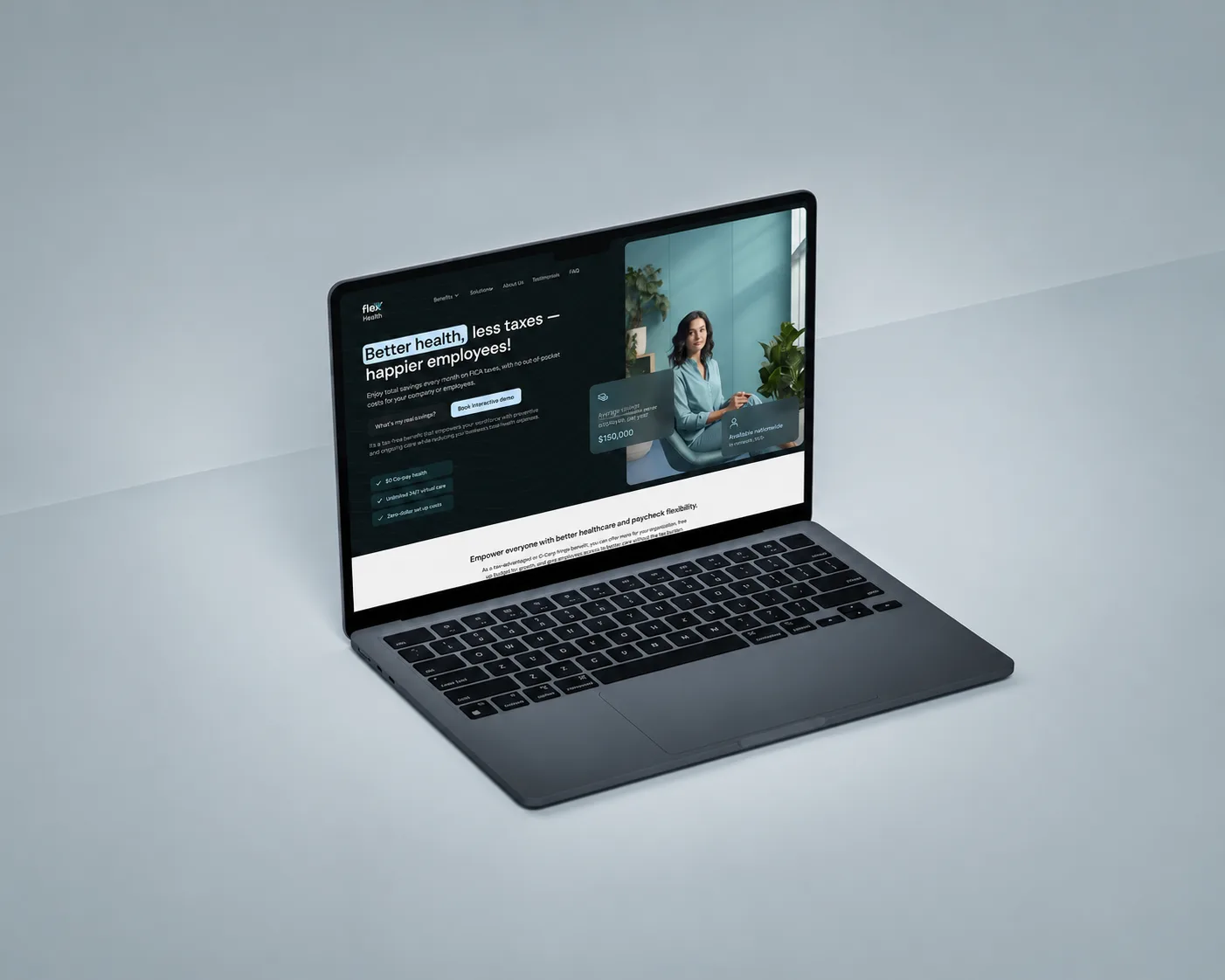
Before design begins, we look at what the website needs to achieve: generate enquiries, explain services, support sales, recruit, publish information or help customers complete tasks. We define the audiences, journeys and content priorities so the site has a clear purpose.
For small business website design, start with the services customers need to understand and the questions they ask before enquiring. A focused set of useful pages, clear contact routes and manageable editing tools can be more valuable than a large site that is difficult to maintain.
We start by agreeing who the site is for and what a useful visit should help them do. That gives the project a practical way to make decisions about pages, content and functionality. A focused website may need to explain a service and make enquiries clear; a larger site may also need product discovery, account areas or publishing workflows.

Our web design and development work brings page structure, navigation, visual design and calls to action together. The design should reflect your brand while keeping content readable and interfaces intuitive. We can develop a visual direction, responsive layouts and reusable page components for a consistent experience.
Good user experience is more than a visual style. We consider how visitors arrive, what they need to understand, how information is grouped and what the next step should be. Page layouts, navigation and calls to action are designed to make the important paths easier to follow while keeping supporting information accessible.
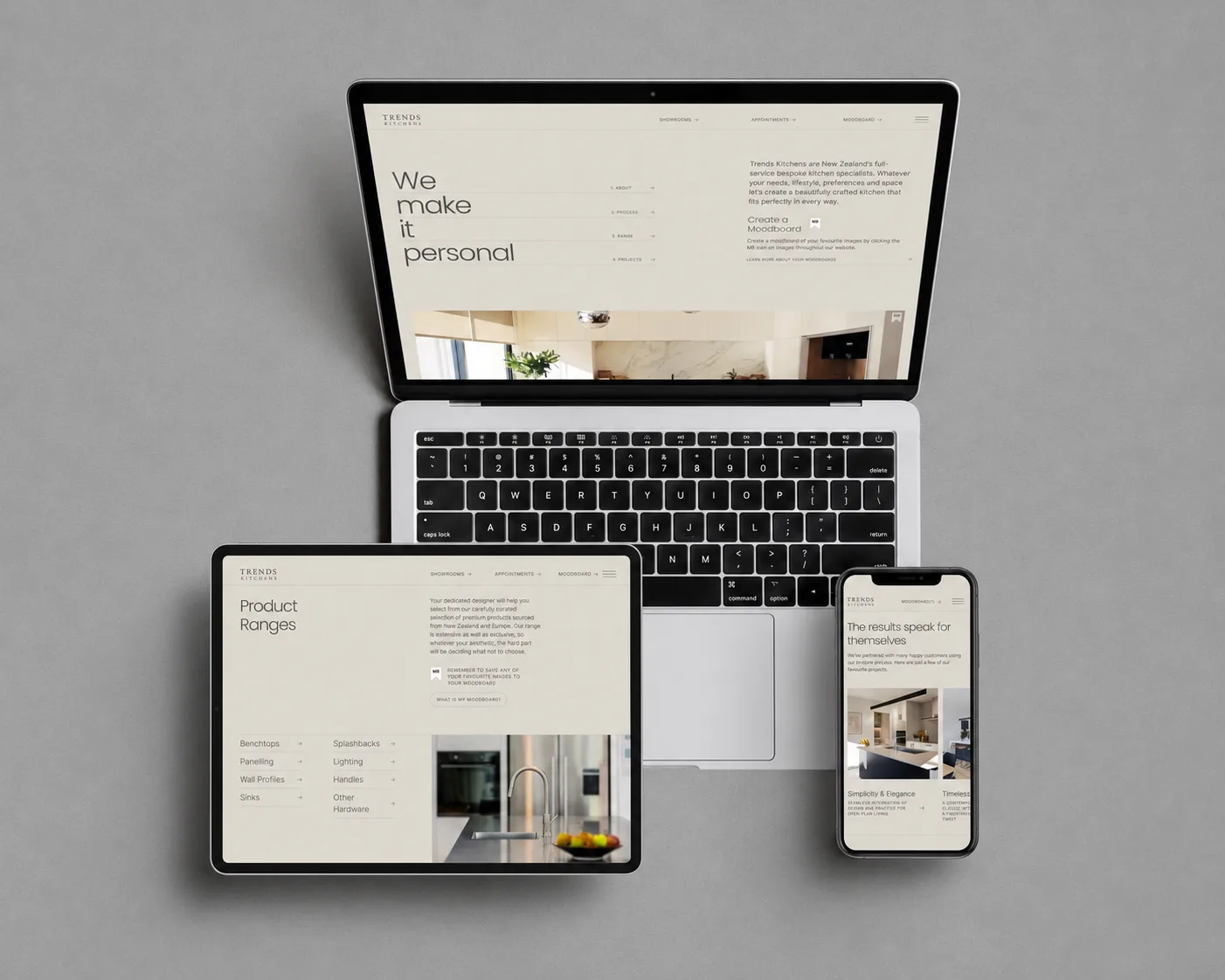
The website should work across desktop, tablet and mobile. We consider layout behaviour, touch targets, readable type, image treatment and interaction patterns at different screen sizes.
Responsive behaviour should be considered as part of the design, not added at the end. Layouts, text, images, menus and forms need to adapt to narrow and wide screens. We account for touch interaction and readability, then review key journeys across agreed devices and screen sizes.

Where a CMS is appropriate, we structure content so your team can update pages, publish insights and maintain key information without unnecessary developer involvement. CMS choice depends on editorial needs, integrations and technical constraints.
Editing needs vary by team. If a content management system is appropriate, we can plan page types, reusable fields and publishing roles around the people maintaining the site. If another platform or a lighter editing approach fits better, that can be assessed during discovery rather than assumed from the start.
From product discovery to search visibility, the details should help visitors find relevant information and move through the experience with confidence.

For websites that need more than informational pages, functionality may include product catalogues, forms, customer accounts, booking flows, search, payment integrations or connections to other business systems. We define these features according to scope.
An online store brings together product information, browsing, checkout and the operational steps after an order. We map the customer journey and the information the business needs to manage, then define how stock, payments, delivery and order updates should work with the selected platforms.

We plan crawlable page structure, meaningful headings, metadata, internal links, image optimisation, canonical handling and sitemap support. SEO performance also depends on content quality, competition, authority and ongoing work; rankings are not guaranteed.
Search foundations are built into the site structure: clear page hierarchy, descriptive headings, useful metadata, sensible internal links and crawlable URLs. These choices help search engines and people understand the content, but rankings depend on many factors beyond the website build and are never guaranteed.

We aim for fast, stable and accessible experiences. Testing should cover responsive behaviour, forms, navigation, browser compatibility, core user journeys and content presentation. Accessibility requirements and acceptance criteria are agreed for the project.
Quality includes how the site behaves, not only how it looks. The agreed review can cover loading behaviour, keyboard access, form feedback, readable contrast, navigation, content presentation and browser compatibility. Testing focuses on the journeys that matter to the project and any issues found are handled before handover.
A redesign, a new build or a migration needs clear handover and careful checking. We define the work, review it with you and plan the transition.
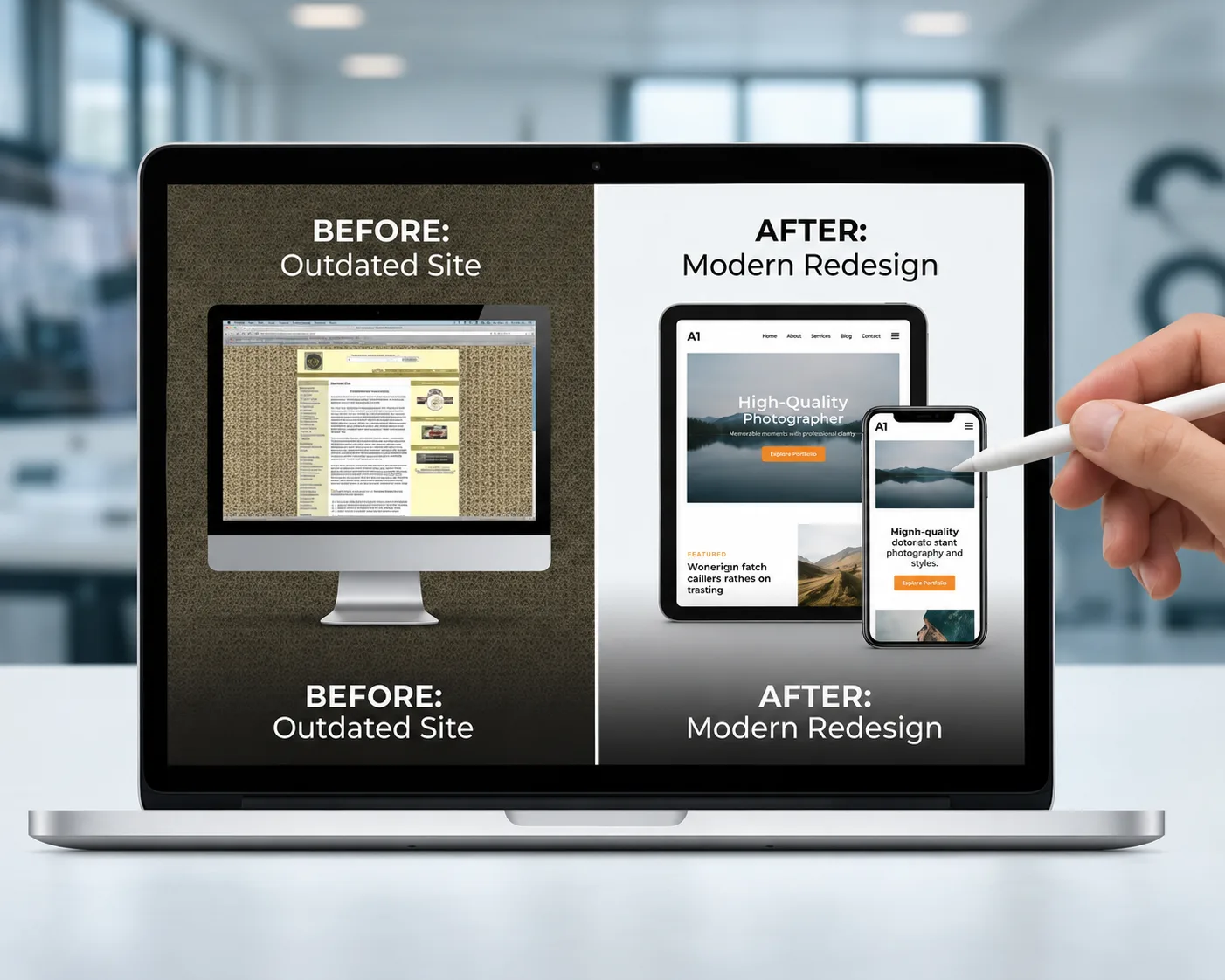
If you already have a website, we can review its structure, content, analytics and technical setup. A redesign may involve content migration, URL mapping, redirects, CMS changes and launch checks to protect useful search visibility.
For an existing website, the first step is understanding what should be kept, improved, moved or retired. We can review the current pages and URLs, plan content transfer and identify redirects where routes change. The cutover plan should account for review time and responsibilities so the new site can be checked before it replaces the old one.

Discovery notes; sitemap and page structure; UX/UI designs; responsive website build; CMS or agreed platform setup; configured forms; technical SEO foundations; analytics setup if included; QA; deployment support; and handover documentation.
When choosing a website development company, ask what is included in the build and what your team will receive at handover. Confirm content responsibilities, editing access, domain and hosting ownership, enquiry testing and any separate maintenance agreement before work begins.
Deliverables depend on the agreed scope. They can include project notes, page structure, interface designs, the responsive build, forms, content setup, technical SEO foundations and handover documentation. We define what is included early, including any content, platform access or third-party work needed from your team.

We clarify goals and audiences, agree the sitemap and content needs, design key templates, develop the site, review content and functionality, test across devices, prepare redirects and launch, then provide agreed support.
A project typically moves through discovery, page and content planning, design, development, review, testing and launch preparation. You can see what decisions are needed at each stage and when feedback is useful. The sequence and handover are agreed to suit the size of the site, its content and any integrations.
Explore the supporting detail after reviewing the capabilities and project choices.
Your website should help the right visitors understand your business and take the next step. We plan, design and build responsive websites for UK businesses, with clear content, useful editing tools and enquiry journeys tested from the first click to delivery.
Practical answers to help you compare options and prepare for a useful project conversation.
For businesses whose website is unclear, difficult to use on mobile, hard to update or unable to support the enquiries and transactions they need.
Website design and development turns your business information and customer journeys into a working website. We design the pages, build responsive layouts and implement the agreed editing tools, forms and system connections so visitors can understand your offer and take the next step.
The main cost factors are page templates, content preparation, CMS editing, forms, migration and integrations. Compare a focused first release with a wider build, and separate development from hosting, provider licences, usage and support. Share one representative task and your current systems so the estimate can state deliverables, assumptions and exclusions.
Web design focuses on structure, content and visual experience; development makes the site work technically. For a small business, a well-organised website with editable content may be a better investment than unnecessary custom functionality.
Yes, where needed. Website development for SMEs might include forms that route enquiries, appointment requests or customer accounts. Explain how information will reach the relevant team and how enquiries are tracked after submission.
Website redesign services are useful when valuable content and search visibility should be preserved but the experience or platform needs improvement. Audit existing URLs, backlinks, analytics, content and redirects before deciding what to retain.
Responsive website development should account for mobile navigation, readable text, touch controls and working forms, not simply shrink a desktop layout. Test representative devices and the actual customer journey before launch.
Clarify who edits pages, what content types exist, how approvals work and what happens when design components change. CMS website development is most useful when teams can keep information current without breaking the page layout.
Sometimes. The feasibility of ecommerce website development depends on the site architecture, product data, payment requirements and fulfilment workflow. If an online shop may be added, mention that in the original brief.
Technical SEO foundations should be considered during planning: descriptive URLs, crawlable navigation, unique page content, metadata, internal links and sensible redirects. None of these guarantees rankings; ongoing content quality and competition also matter.
Agree discovery, design, implementation, acceptance testing and launch as separate stages. Content readiness, access to existing systems, approval turnaround and migration can change the schedule. Ask for dependencies, review dates and a delivery range in the written proposal; no fixed turnaround is implied before scope is reviewed.
A useful starting point includes the intended audience, the key questions visitors ask, existing brand assets, reference websites, required features and any legal or accessibility constraints. A finished technical specification is not essential.
Website development for retail businesses may prioritise products and enquiries, while website development for healthcare providers often needs clear service information, accessible journeys and careful treatment of sensitive forms. Regulated claims require separate specialist review.
Prepare a page-by-page migration map, decide which content to improve or consolidate, and create appropriate redirects. Check canonical tags, indexing and analytics after launch instead of assuming traffic will transfer automatically.
Yes. The scope can focus on a useful first outcome, with later work listed separately. Agree the deliverables, dependencies, acceptance criteria and handover for that phase before committing to development.
Share your current website, target customers and the actions you want visitors to take. Tell us about any content, booking, sales or integration requirements you already know about.
May we use Google Analytics to understand website visits and completed enquiries? It’s optional, and you can change your choice at any time.
Cookie information